
BMW Shop: Why BMW Collision Repair Requires Certified Auto Body Shops and OEM Parts
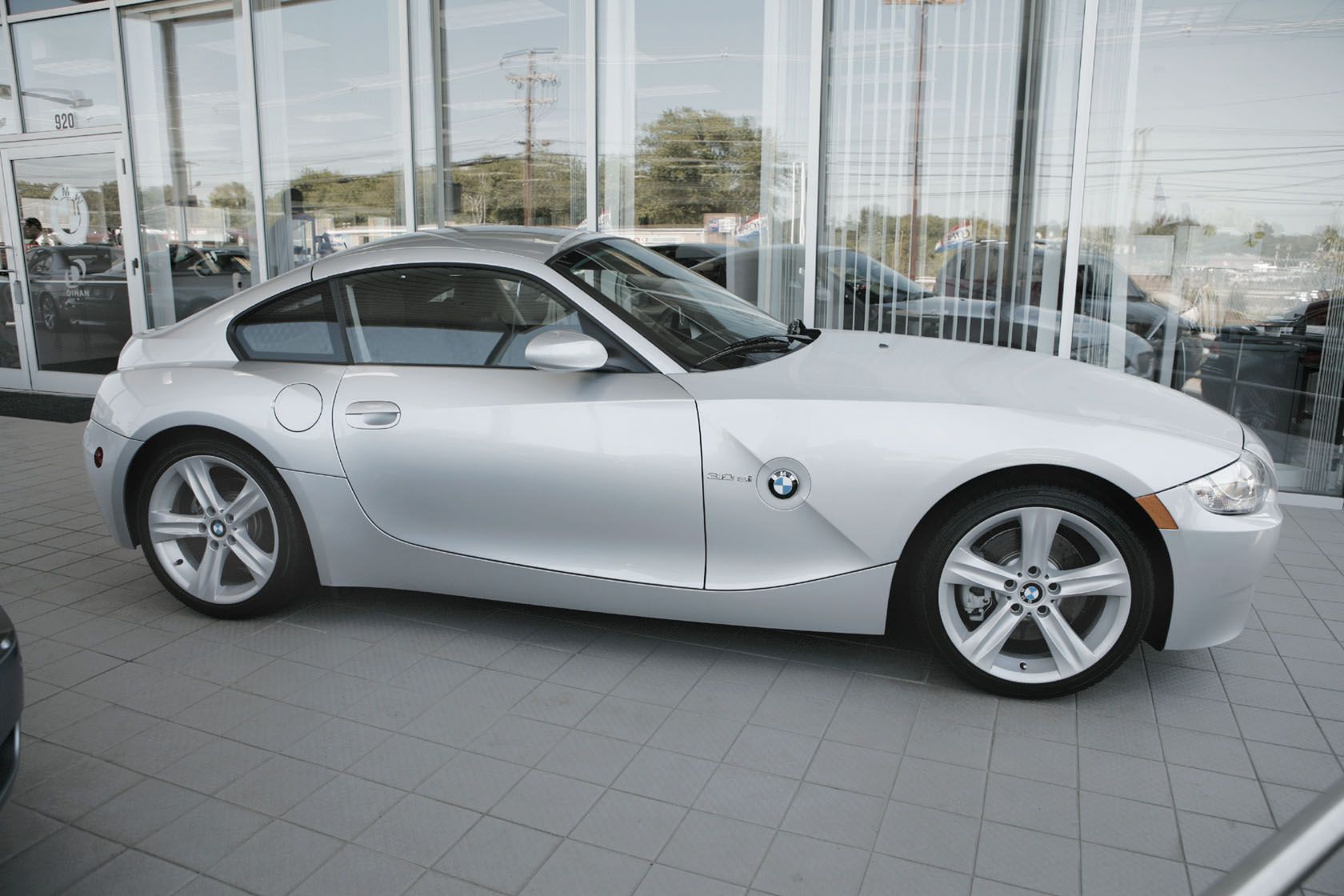
Automotive repair for a luxury brand like BMW requires a meticulous and well-informed approach to ensure safety, structural integrity, and long-term driving dynamics. Selecting a certified auto body shop that utilizes genuine Original Equipment Manufacturer (OEM) parts is critical for preserving the unique engineering specifications of these high-performance vehicles. Overlooking these standards can compromise structural crash zones, disrupt delicate electronic sensors, and degrade operational efficiency. According to the BMW Group, BMW set a new all-time U.S. sales record in 2025 — the third consecutive year of record performance — with 388,897 vehicles sold. This massive volume highlights the growing necessity for specialized collision facilities capable of maintaining the brand's uncompromising standards.
The Complexity of BMW Engineering and Structural Design
BMW vehicles are renowned for integrating complex mechanical systems, advanced lightweight materials, and intricate digital networks. Restoring a damaged chassis back to factory specifications requires specialized knowledge of high-strength multi-material space frames. Modern models incorporate carbon-fiber-reinforced plastic, structural aluminum alloys, and ultra-high-strength hot-stamped steel. Each material responds differently to impact stress and requires specific joining technologies, such as cold-riveting, structural bonding, and specialized laser welding. Entrusting these structural repairs to a general repair facility rather than a qualified BMW shop risks permanent frame misalignment, compromised crush zones, and reduced occupant safety in future collisions.
Modern safety architectures rely on calibrated electronic systems working in tandem with physical frame components. Features like dynamic stability control, active steering, and xDrive all-wheel drive rely on precise sensor data to adjust power delivery and braking force within milliseconds. Following an impact, sub-millimeter shifts in wheel suspension geometry or radar sensor alignments can cause electronic stability controls to miscalculate vehicle dynamics. A dedicated BMW shop uses specialized diagnostic alignment systems to recalibrate these electronic modules, ensuring that every safety component functions in complete harmony with mechanical assemblies.
Precision execution extends directly under the hood to signature powertrain systems. Celebrated features like TwinPower Turbo engines, variable valve timing, and adaptive suspension dampers require exacting repair protocols to maintain their factory balance. Utilizing non-certified techniques or incorrect aftermarket hardware during collision repair can alter weight distribution, introduce unnatural vibration, and diminish the smooth power delivery characteristic of the brand. Maintaining precise tolerances across every structural and mechanical repair safeguards the vehicle's long-term performance legacy.
The Role of Certified Auto Body Shops in Vehicle Restoration
Achieving certified status requires an auto body facility to undergo rigorous audits evaluating equipment capability, technician knowledge, and facility infrastructure. Certified centers receive ongoing technical updates directly from the manufacturer, granting them exclusive access to factory repair blueprints and structural alignment dimensions. When a damaged vehicle enters a certified facility, technicians follow exact step-by-step restoration procedures developed by the engineers who designed the car. This level of technical access eliminates guesswork, guaranteeing that every frame pull, panel replacement, and weld mirrors original factory assembly standards.
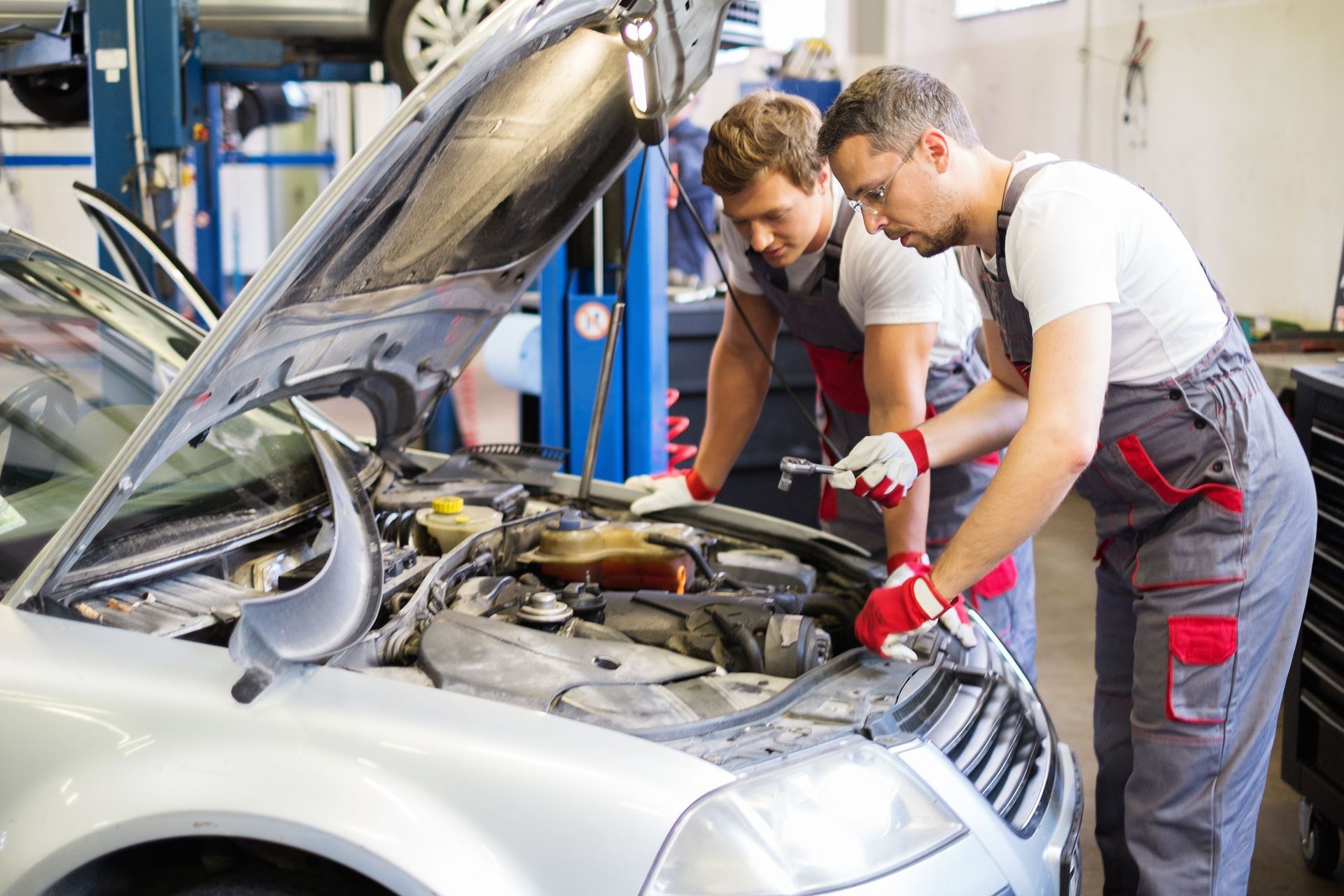
The technicians working within a certified BMW shop complete continuous, highly specialized training programs. They undergo rigorous instruction covering advanced aluminum welding, carbon fiber structural bonding, and delicate high-voltage safety protocols for electric and hybrid powertrains. General automotive technicians rarely possess this level of specialized training, increasing the likelihood of improper heat application on heat-treated aluminum or incorrect handling of high-voltage battery enclosures. Dedicated training ensures that technicians possess the expertise required to navigate complex repairs safely and accurately.
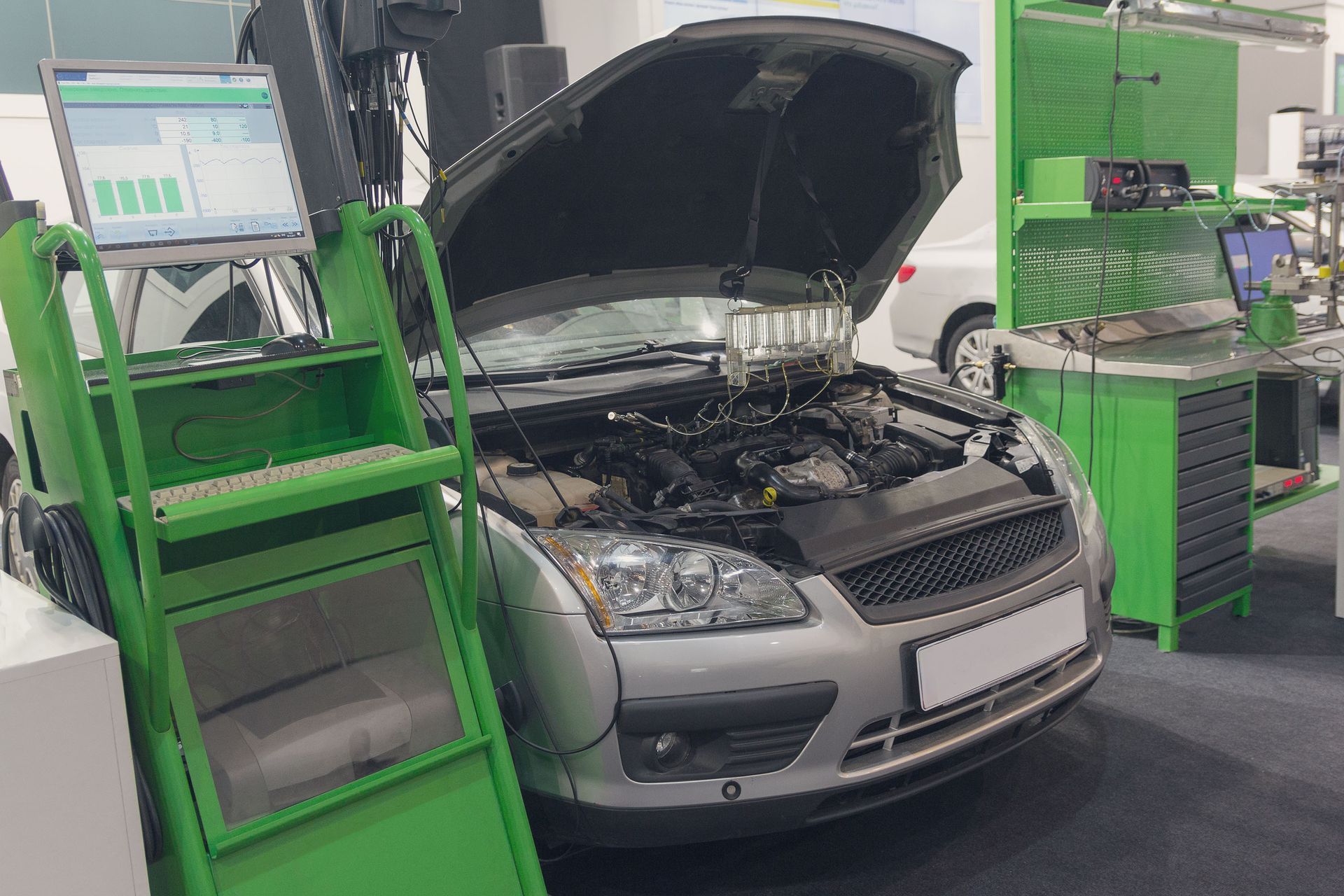
Certified repair facilities are also mandated to maintain advanced diagnostic tools and specialized machinery that general body shops lack. Proprietary scanning equipment allows technicians to perform comprehensive pre- and post-repair diagnostic sweeps, identifying hidden fault codes buried within the central control units. Furthermore, specialized frame benches and computerized measuring systems verify structural dimensions against three-dimensional factory baselines. These specialized tools ensure that every repaired vehicle exits the facility fully restored to its pre-accident safety profile.
Why Genuine OEM Parts Are Essential for Collision Repair
Utilizing genuine OEM components during collision restoration is vital for preserving vehicle safety, structural integrity, and resale value. OEM parts are manufactured using the exact material alloys, stampings, and production tolerances specified by the original engineering team. Aftermarket, imitation, or reconditioned parts frequently present minor dimensional variations, leading to uneven panel gaps, poor weather stripping seals, and improper sensor mounting. Choosing genuine components guarantees precise fitment, seamless structural integration, and uncompromised aesthetic appeal across all exterior panels.
The structural performance of body panels during an impact depends entirely on precise material composition and manufacturing standards. OEM hood panels, crumple zones, and door reinforcement beams are engineered to absorb and dissipate kinetic energy away from the passenger cabin during a collision. Non-OEM replacement panels often utilize cheaper, heavier metal alloys that deform unpredictably under stress, potentially altering designed crash-energy pathways and increasing occupant injury risks. Using genuine parts ensures that structural safety zones perform exactly as intended during critical moments.
Electronic compatibility presents another major hurdle for non-OEM components. Modern bumpers, side mirrors, and grilles house sensitive radar units, ultrasonic parking sensors, and wide-angle cameras for driver-assistance systems. Aftermarket bumper covers may feature incorrect plastic densities or paint thicknesses that obstruct radar signals, causing false alerts or system failures. Installing genuine components at a certified BMW shop guarantees that all embedded safety sensors remain fully compatible with central vehicle processing units.
Advanced Driver Assistance Systems (ADAS) and Sensor Recalibration
Modern BMW models rely heavily on Advanced Driver Assistance Systems (ADAS) to enhance driver safety, semi-autonomous driving capabilities, and active hazard avoidance. Features such as Active Cruise Control, Lane Keeping Assistant, Evasion Assistant, and Night Vision rely on a complex network of front radar sensors, surround-view cameras, ultrasonic sensors, and LiDAR units integrated directly into exterior body panels, windshields, and bumper assemblies. Even minor low-speed collisions or cosmetic panel realignments can disturb the precise mounting angles of these sensitive instruments.
Proper recalibration of ADAS hardware requires certified technicians to execute both static and dynamic calibration procedures using specialized optical targets, laser-alignment equipment, and factory diagnostic software. A deviation of just a fraction of a degree in a radar transceiver or camera lens can cause the system to miscalculate distances by several meters at highway speeds, resulting in unintended emergency braking, improper lane-centering maneuvers, or failure to detect oncoming hazards. General body shops lacking proprietary calibration tools often bypass these delicate procedures or rely on uncalibrated aftermarket sensors that fail to communicate properly with the vehicle's central domain controllers.
Preserving Warranty Coverage and Long-Term Vehicle Value
Maintaining compliance with comprehensive factory warranty standards requires adhering strictly to approved repair guidelines and utilizing genuine replacement parts. Installing non-approved aftermarket components or employing uncertified structural repair methods can void underlying corrosion, structural, and mechanical warranties. Certified facilities document every phase of the repair process, maintaining a clear paper trail that satisfies manufacturer inspection standards and preserves original warranty coverage.
Choosing a certified repair facility also protects your financial investment by preserving vehicle market value. Prospective buyers and commercial dealerships closely scrutinize vehicle history reports following a reported collision. Documentation showing that repairs were completed at an accredited facility using genuine components provides assurance that the vehicle was restored correctly without structural shortcuts. This verified repair history minimizes diminished value losses, ensuring the vehicle retains its strong market standing.
Ultimately, certified collision repair bridges the gap between complex luxury engineering and long-term owner satisfaction. By combining factory-trained technician expertise, specialized diagnostic equipment, and genuine structural components, certified facilities restore damaged vehicles to their original safety standards. Investing in proper collision care guarantees that your vehicle continues to deliver the superior handling, performance, and comfort you expect. For expert diagnostic care, specialized mechanical service, and dedicated maintenance, trust the experienced team at A-1 Cars Independent BMW Specialist to maintain your vehicle.

Share On: